

Cristian Mihai Adamescu
Cristian Mihai Adamescu is senior scientist at the University of Bucharest, and since 2017 the Head of Research Center in Systems Ecology and Sustainability, and coordinator of Braila Research Station.
His professional interests are mainly ecology of large rivers; application of systems ecology to sustainability; sensors networks and high frequency monitoring for complex systems; dynamics and productivity of freshwater ecosystems, eutrophication and its impact, the functional role of wetlands, phytoplankton population dynamics, development of integrated management plans and biodiversity conservation options; communicating science to the public.
He is coordinating the Romanian team in three Horizon 2020 projects: eLTER (Integrated European Long-Term Ecosystem & Socio-Ecological Research Infrastructure), ESMERALDA (Enhancing ecosystem services mapping for policy and Decision making) and Advanced eLTER.
He contributed to the development of 10 management plans for Natura 2000 sites and for Natural Park Small Island of Brăila, within a LIFE-Natura project. Here many innovative approaches were applied, including Fuzzy Cognitive Mapping. Dr. Adamescu is a member in the National Committee to Combat Drought, Land Degradation and Desertification in Romania.
He has published over 40 scientific papers and contributed to 6 books.
E-mail: adacri@gmail.com

Carmen Postolache
Professor Carmen Postolache graduated in Chemistry (1983) and got the Ph.D degree (1999) in Chemistry at the University of Bucharest. Since 1991, her research was focused on biogeochemical cycles of nutrients and heavy metals, ecotoxicology and water quality issues.
In the last twenty years she was in charge for coordination and administration of national projects and some international projects: i) local coordination of the European research project “Nutrient Management in Danube Basin and its Impact on Black Sea (DANUBS)”; ii) local management of other European research projects dealing with the identification and assessment of major drivers, pressures and status in the national or Lower Danube River-Black Sea biophysical structures; iii) member of the research team in the European research projects (FP4,FP5, FP6, FP7).
A specific contribution was brought for designing and developing the Department of Systems Ecology and Sustainability as a unit for human resources development and training, as well as for transdisciplinary research.
She is member of several international and national scientific bodies e.g. EarthVoice Romania, Romanian Ecological Society, International Association for Danube Research, member of the Institute of Ecology and Environmental Management and of European Science Foundation Pool of Reviewers.
E-mail: carmen_postolache83@yahoo.com
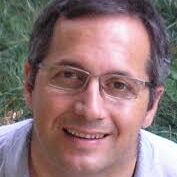
Constantin Cazacu
Constantin Cazacu is a lecturer in the Department of Systems Ecology and a senior researcher within the Research Center.
He participated in over 15 EU funded projects (EU Framework Programme 4 to 7) and 15 national funded projects and coordinated the project “Spatio-temporal dynamics of the ecosystems from Braila Islands LTSER under the impact of climate change”, funded by the National Council of Scientific Research. He is also coordinator for the Romanian partner in ECOPOTENTIAL – Horizon 2020 project.
E-mail: constantin.cazacu@gmail.com
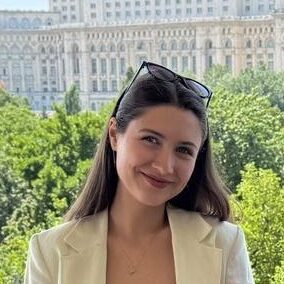
Igescu Denisa
Denisa Igescu is a PhD candidate in Ecology and a research assistant at the University of Bucharest. She holds an M.Sc.in Biochemistry and Molecular Biology and a B.Sc. in Biochemistry. Her doctoral research focuses on “Nature-Based Solutions for Water Pollution Control: A Pathway to Sustainable Water Management”, exploring innovative approaches to improve water quality and ecosystem resilience.
Her research interests focuses on microbial ecology, environmental DNA (eDNA), lentic ecosystems and organic geochemistry. Leveraging her expertise in Biochemistry and Molecular Biology, she integrates molecular tools with environmental analyses to assess biodiversity and explore the influence of abiotic factors on the distribution, diversity, and ecological dynamics of microbial communities in freshwater ecosystems.
She was involved as a team member in the implementation of several EU-funded and regional research projects, including Restore4Life, Cross-EU, and MARCO-BOLO. Through these initiatives, she has gained extensive experience in field sampling, environmental monitoring, and data analysis, supporting research on wetland restoration, climate change adaptation and biodiversity monitoring. Her project portfolio also includes BioAgora, Restore4C, Danubius-RO-2 and “Environmental changes over the past 5 milion years in the southeastern Europe: can the Pliocene be used as a model for future climate warming?”.
E-mail: denisa.igescu@g.unibuc.ro
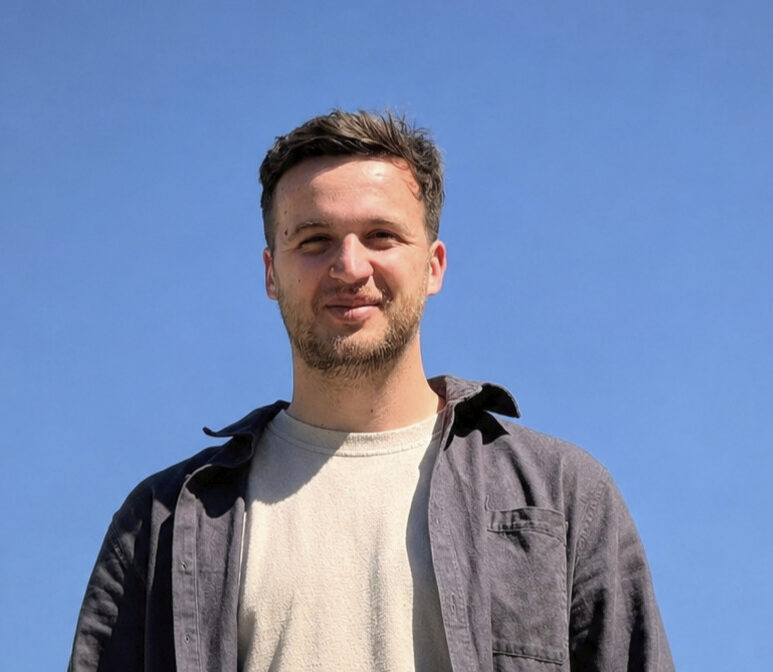
Radu Marian
Geographer with a Master’s degree in Geomorphology and Cartography from the University of Bucharest. Background in Geographic Information Systems (GIS), remote sensing, photogrammetry, cartography, geomorphology, and environmental monitoring.
His work focuses on the integration of geospatial technologies into ecological research, where GIS, remote sensing, and UAV-derived data play a key role in the spatialization, monitoring, and analysis of environmental processes. These methods support the assessment of ecosystem dynamics, environmental change, habitat distribution, and sustainability-related challenges through the acquisition, processing, and interpretation of spatial data.
E-mail: marian.radu@g.unibuc.ro

Relu Constantin
Giuca
PhD in Ecology, researcher at UB-RCSES University of Bucharest. His PhD thesis was entitled „Contributions to the development of knowledge regarding the quantification of fish-eating birds pressure on the fish structure and productivity of Inner Danube Delta aquatic ecosystems”. His research activity focused on piscivorous birds communities dynamics and structure and their interactions with the ichthyofauna.
He was member in different European and national funded projects, currently being involved in OPENNESS – Operationalisation of Natural Capital and EcoSystem Services: From Concepts to Real-world Applications, FP 7/ EC. He worked as a consultant for an international company, being involved in European and national consultancy projects (European Space Agency: Improved Sustainability of ESA Operations; European Topic Centre for Air and Climate Change / European Environment Agency: Greenhouse gas emission trends and projections in Europe 2009; Revision of the national strategy for waste management etc.).
E-mail: relu_constantin.giuca@g.unibuc.ro

Magdalena Bucur
PhD at the Doctoral School in Ecology and research assistant at the Research Centre in Systems Ecology and Sustainability – University of Bucharest. Her PhD thesis focused on testing and improving science – policy interface to support the sustainable governance at the watershed scale.
She was involved as a team member in the implementation of EU funded projects (ESMERALDA – Enhancing ecosystem services mapping for policy and decision making – EC Horizon 2020 Programme) or EEA Grants (SOLIDARON -Solidarity and respect for people and nature – pilot project for developing, testing and enacting the beneficiary pays principle for ecosystem services in Romania; VALUEECOSERV -The assessment of the ecosystem services provided by protected areas in Romania).
E-mail: magda.bucur@yahoo.com
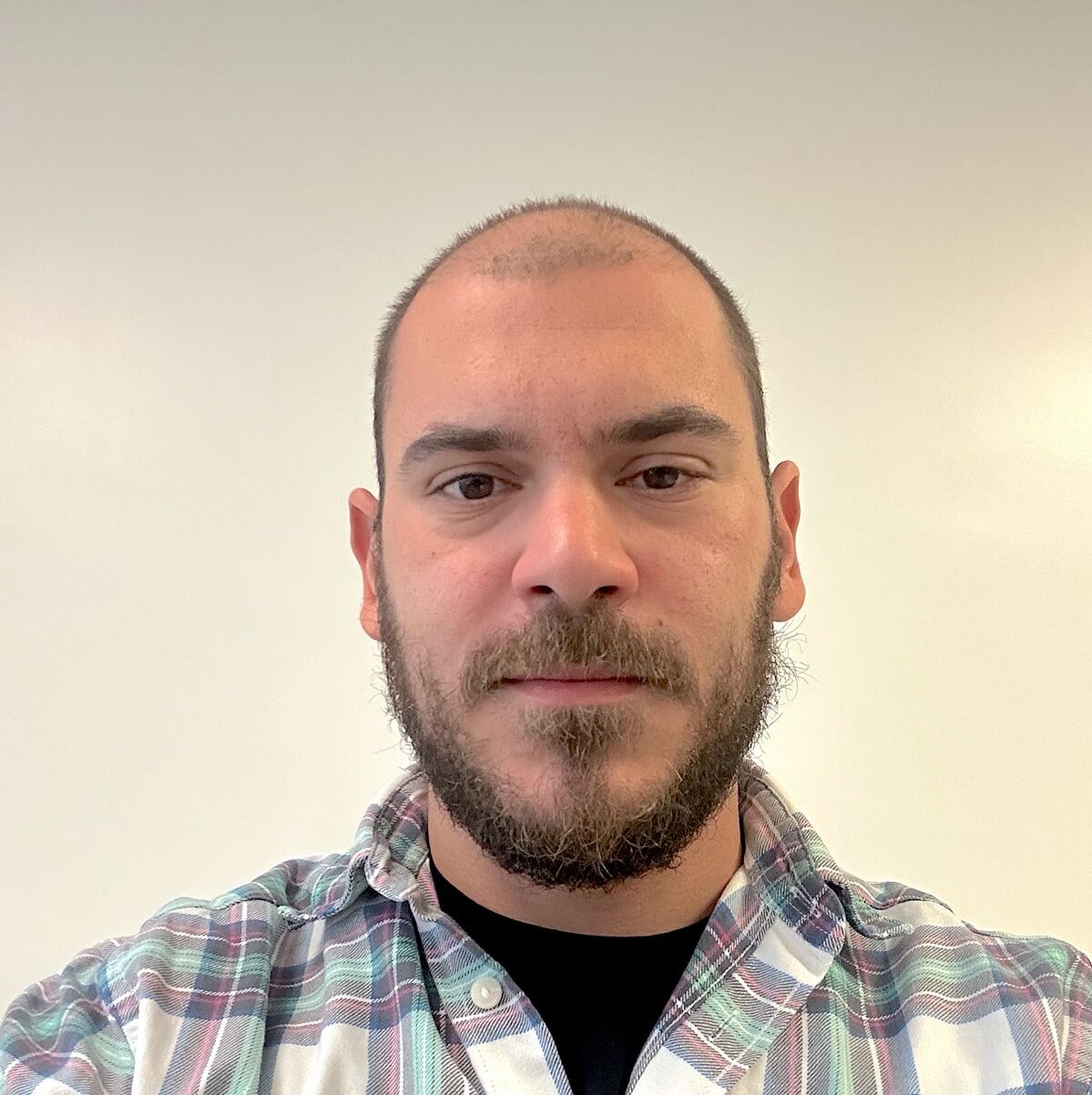
Tudor Constantin
Racoviceanu
Dr. Tudor Racoviceanu is a researcher at the Research Center in Systems Ecology and Sustainability (RCSES), University of Bucharest. He holds a PhD in Ecology, awarded for his thesis entitled “Provisioning Ecosystem Services Dynamics in the Inner Danube Wetland Systems of the Brăila Islands”, which focused on the assessment of wetland ecosystem services and their role in supporting socio-ecological systems in the Lower Danube region.
His research interests are centered on ecosystem services assessment and mapping, wetland ecology and restoration, biodiversity conservation, remote sensing, and the integration of in-situ sensor networks for monitoring natural capital and ecosystem functioning. He has extensive experience in the application of airborne (UAV/drone) and satellite remote sensing technologies for environmental monitoring, ecosystem assessment, and climate change adaptation studies.
Throughout his career, Dr. Racoviceanu has participated in numerous national and international research projects funded under European and national programmes. He has been involved in EU FP7, Horizon Europe, and Interreg initiatives, including projects such as IRENES (“Integrating Renewable Energy and Ecosystem Services in Environmental and Energy Policies”), eLTER Plus, Restore4Life, Restore4Cs, and CrossEU. Within the eLTER Plus project, he coordinated activities related to Transnational Access across Long-Term Socio-Ecological Research (LTSER) sites in Europe, facilitating scientific collaboration and interdisciplinary research.
His expertise also encompasses ecosystem restoration planning, climate change impact assessment, future ecosystem service scenario modelling, stakeholder engagement, citizen science integration for biodiversity monitoring, and protected area management. He has contributed to the development of innovative monitoring approaches that combine Earth observation, in-situ measurements, and participatory methods to support evidence-based environmental management and policy-making.
Dr. Racoviceanu is actively involved in interdisciplinary research aimed at understanding and managing socio-ecological systems, with a particular focus on wetlands and other aquatic ecosystems. He has authored and co-authored several scientific publications and technical reports addressing ecosystem services, ecological restoration, remote sensing applications, and sustainability science.
E-mail: tudor.racoviceanu@yahoo.com
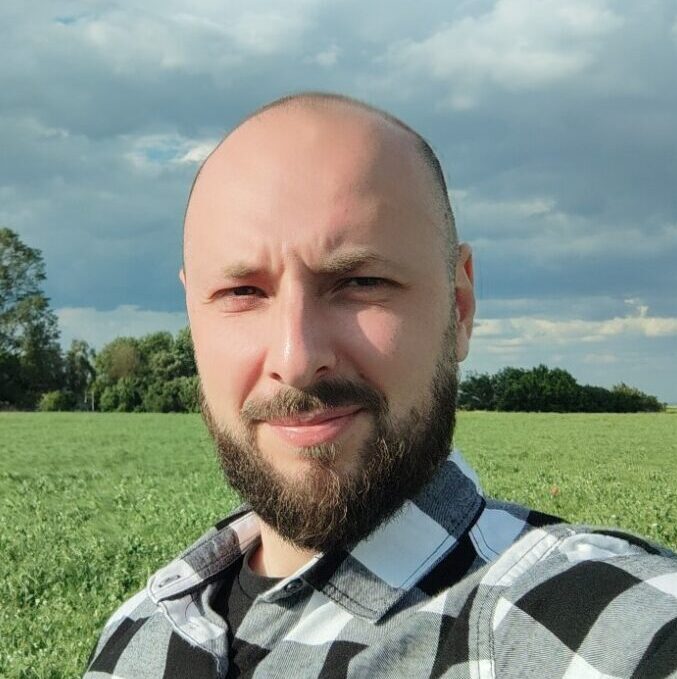
Valentin Dinu
Valentin Dinu holds a PhD in Environmental Science, an M.Sc. in Natural Capital Management, and a B.Sc. in Ecology from the University of Bucharest, where he works as a Researcher. His doctoral thesis investigated “The impact of multiple stressors on benthic shredder invertebrates’ communities from low-level streams.” His broader research focuses on lotic systems, wetlands, urban ecology, invasive plants, leaf litter decomposition, and GHG dynamics.
He has a strong track record of managing and implementing major European and regional research initiatives, including CROSSLINK, Restore4Life & Restore4CS, CROSS-EU & RO-ADAPT, SELINA & BioAgora, MARCO-BOLO, IDES, and RESPONSE through which he has driven fieldwork, data analysis, and science-policy interfaces focused on blue-green infrastructure, wetland restoration, climate change adaptation, biodiversity monitoring, and sustainable floodplain management.
E-mail: valentin.dinu@bio.unibuc.ro

Serban Danielescu
Dr. Serban Danielescu started his joint appointment with Environment and Climate Change Canada (ECCC) and Agriculture and Agri-Food Canada (AAFC) after receiving his Ph.D. from the University of New Brunswick (Department of Engineering) in 2009.
He previously received a M.Sc. (1999) and a Ph.D. (2007) from the University of Bucharest (Romania) while conducting research at the Department of Systems Ecology and Sustainable Development. Dr. Serban Danielescu’s research is focused on understanding the impact of agricultural practices on groundwater quantity and quality, and on downgradient aquatic ecosystems. As part of his research, he employs conventional groundwater field investigation methods in conjunction with various models, to develop an integrated ecosystem-based perspective on the transfer of water and contaminants from sources to receiving surface water bodies at various spatial and temporal scales. In recent years he took an interest in developing free online tools that can be used for advancing the understanding of local and watershed scale hydrological processes.
Dr. Danielescu is currently conducting research with funding from both ECCC and AAFC at various locations in Canada, such as Black Brook (New Brunswick), Harrington Experimental Farm (Prince Edward Island) and Assiniboine Delta Aquifer (Manitoba), where he is collaborating with scientists from universities and other governmental departments to advance the understanding of the significance of subsurface nutrient fluxes at various spatial and temporal scales
Profile pages
Google Scholar : https://scholar.google.com/citations?user=-ExAsN8AAAAJ&hl=en
Research Gate https://www.researchgate.net/profile/Serban_Danielescu
Government of Canada S&T Experts: https://profils-profiles.science.gc.ca/en/profile/serban-danielescu
LinkedIn: https://ca.linkedin.com/in/serban-danielescu-0b 11b5123
Online tools
HydrologyTool Set: https://portal.hydrotools.tech/
ETCalc (Evapotranspiration) : https://etcalc.hydrotools.tech
SepHydro (Hydrograph Separation): https://sephydro.hydrotools.tech/
SWIB (Soil Water Stress, Irrigation Requirement and Water Balance): https://swib.hydrotools.tech/
SNOSWAB (Snow, Soil Water and Water Balance): https://snoswab.hydrotools.tech/
GWRech (Groundwater Recharge): https://gwrech.hydrotools.tech/
TotPrePart (Precipitation Partitioning): https://totprepart.hydrotools.tech/
Other links:
Canadian Rivers Institute https://www.canadianriversinstitute.com
University of New Brunswick: https://www.unb.ca/
Research Center in Systems Ecology and Sustainability https://rcses.unibuc.ro/
AAFC Fredericton Research and Development Centre https://profils-profiles.science.gc.ca/en/research-centre/fredericton-research-and-development-centre
Canada Centre for Inland Waters https://www.canada.ca/en/environment-climate-change/services/science-technology/centres/ontario.html#nwri
E-mail:


Georgia Cosor
Georgia COSOR, PhD in Ecology, afiliated researcher at UB-RCSES. Her field of expertise is systems ecology with focuson identification of spatial and temporal patterns of ecosystems, mapping and assessment of ecosystems and their services.
She was a member of the implementation team of several EU funded projects (e.g. EURO-LIMPACS, ALTERNET, FARO-EU, AQUAMONEY, EnvEurope, VOLANTE, OpenNESS, BESAFE), EEA Grants (e.g. COREHABS, SOLIDARON, ValueEcoServ) and national funded projects (e.g. A-Consortiu, PROMOTOR, INAQUA).
E-mail: georgia.lavinia@gmail.com